Counselling for Children
Research shows that creative play, including clay work and art activities, provides a safe and supportive environment for young children to express emotions and process difficult experiences.
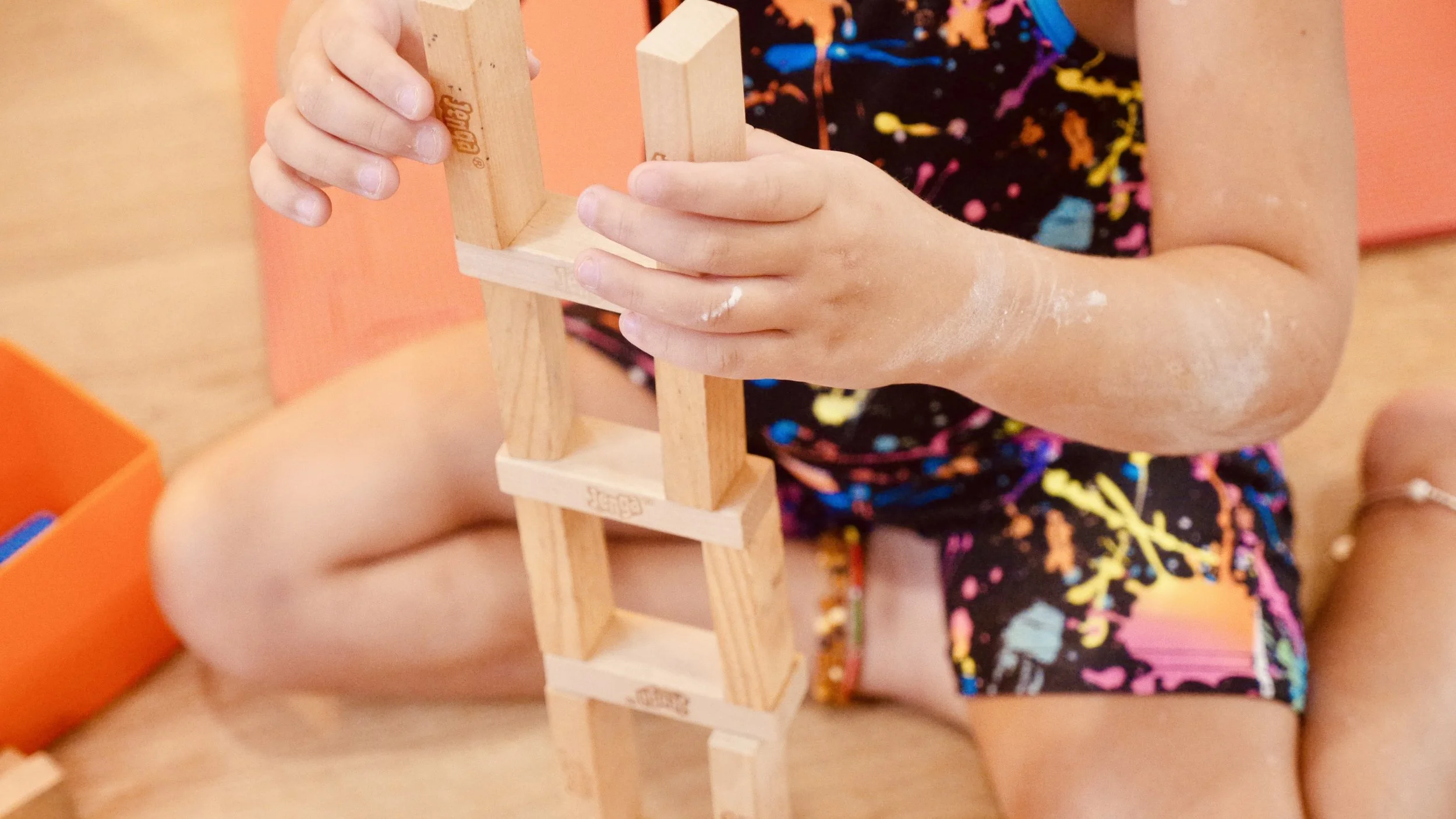
At Nancy Kruys Counselling, I use clay, painting, imaginative play, dress-ups, and body-work to help children communicate feelings that may be hard to put into words.
This type of play-based and creative expression has been shown to support emotional regulation, resilience, and healing, particularly for children who have experienced stress or trauma.
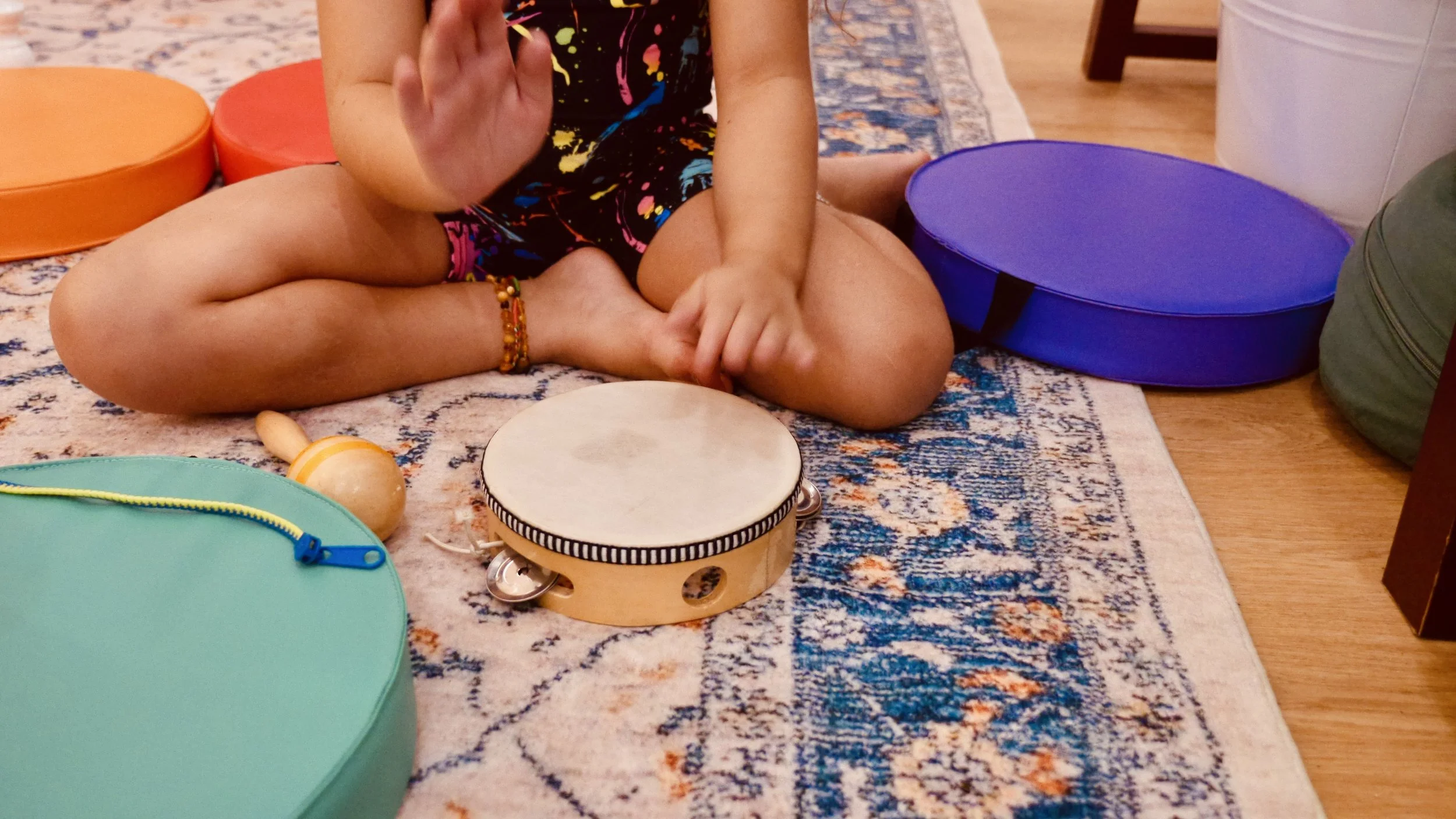
I also offer gentle therapeutic sensory play, where children can explore calming textures, movement, and touch in a safe, supportive space that helps their nervous system settle and feel more secure.
Therapeutic Sensory Support strengthens the nervous system by offering a calm, playful, hands-on approach for children who struggle with big feelings, overwhelm, or sensory challenges.
This approach is especially suited for children who have experienced trauma or for neurodivergent children who benefit from structured sensory input, grounding, and nervous-system–focused care.
“Regulate, relate, reason - in that order.” Dr Bruce Perry, child psychiatrist and trauma specialist
Children learn, explore, and heal best when their nervous systems feel safe. Sensory play creates more than fun moments. It creates safety.
Through soft textures, hands-on exploration, and playful movement, children can settle, regulate, and reconnect with their bodies. But the real transformation happens in relationship.
In therapy, children experience these sensory activities within a safe, attuned, and supportive relationship with a counsellor or other therapist. This connection provides:
· Nervous system regulation
· Grounding and body awareness
· Safe exploration of big feelings
· Confidence in their own abilities
· Opportunities to build trust and relational skills
Why it matters:
Research shows that children thrive when sensory and emotional experiences happen alongside a consistent, responsive adult. A strong therapeutic relationship provides co-regulation, emotional containment, and a safe space where a child can explore, experiment, express themselves, and rebuild trust.
When a child feels safe with a caring adult, their nervous system learns to feel safe within themselves. Combining sensory play with this supportive relationship helps children develop emotional regulation, resilience, and a secure sense of self.
Sensory play isn’t just fun:
it’s relational healing and nervous-system support, giving children a foundation for connection, learning, and growth.
Parents and carers can also use these creative play and clay work activities to support NDIS goals, including:
Building emotional regulation skills
Enhancing sensory processing and self-awareness
Improving social and communication skills
Fostering self-confidence and resilience
Supporting personal growth through
creative expression

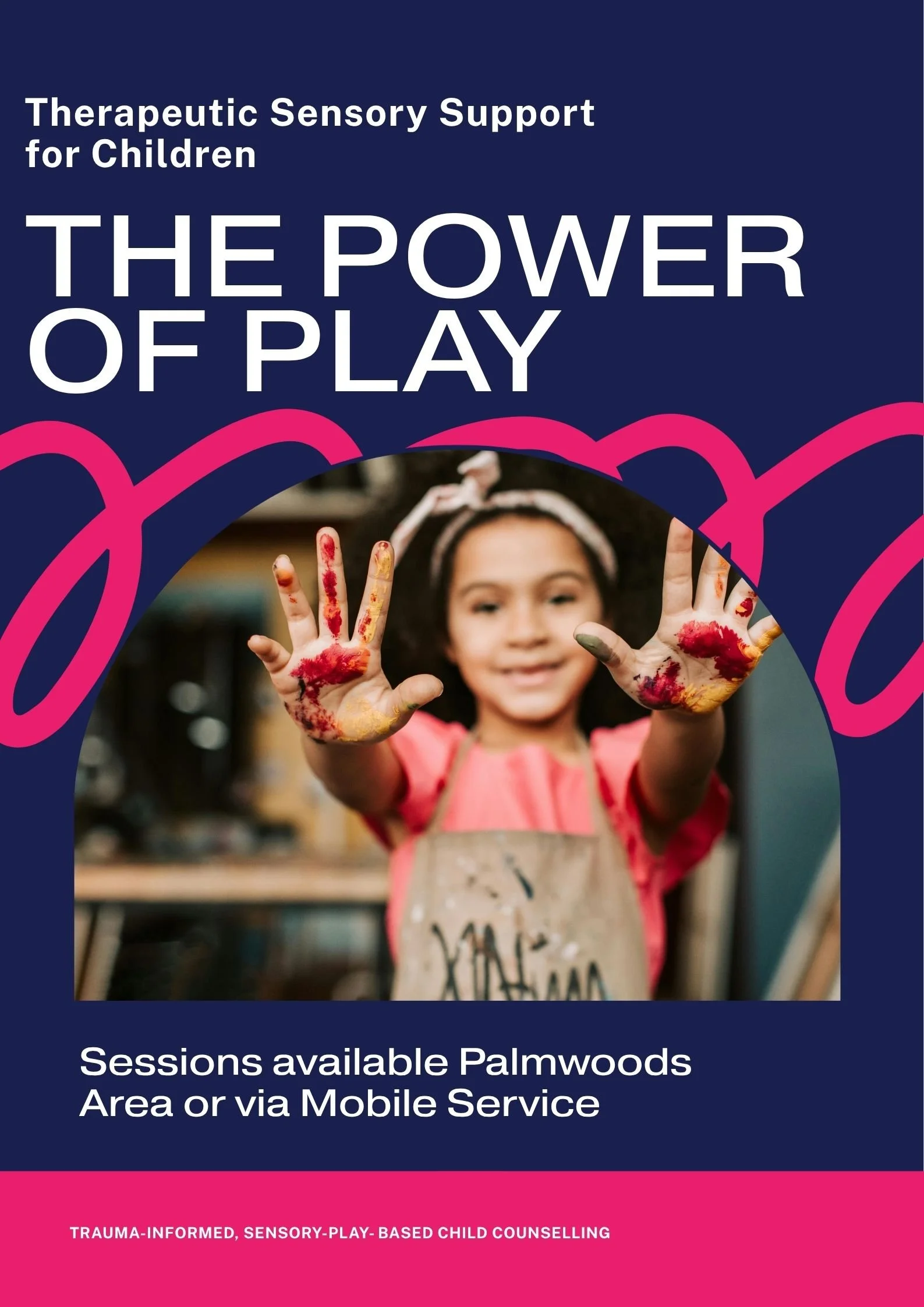
“Trauma in childhood is not just an event; it is an imprint on the nervous system that shapes the way we see the world.” — Dr. Bessel van der Kolk